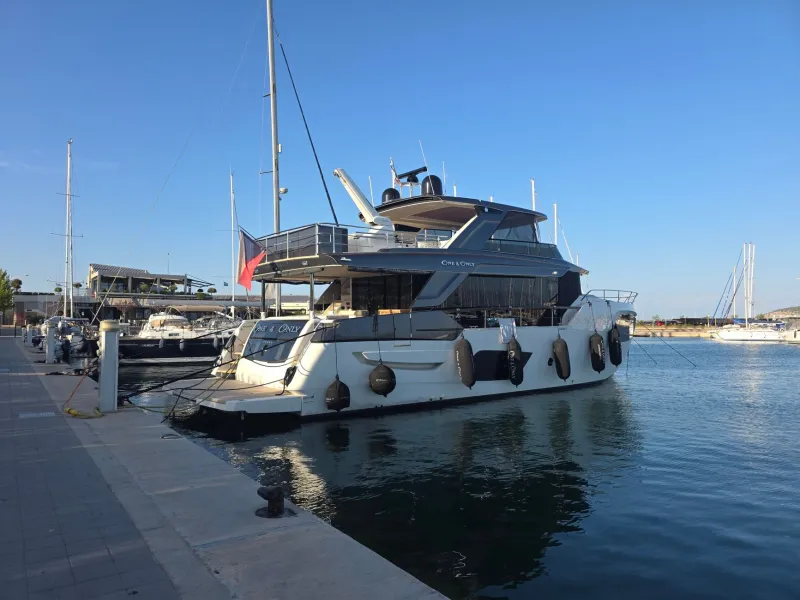
Seven Customs That Mark You as a Charterer Who Knows the Ropes
Photo: behavior training & coaching, CC BY 2.0, via Wikimedia Commons
Every year, thousands of Americans take their first yacht charter, and nearly all of them arrive with the same quiet anxiety: Am I going to do something wrong? The truth is that maritime customs exist to make life aboard smoother, not to trip anyone up. Learn a handful of them and you'll move through the boat like a seasoned hand. Here are the seven that matter most.
1. The Shoe Question
On most yachts, outdoor footwear comes off at the gangway. Deck teak is delicate, and street shoes track grit that scratches it. The rule of thumb: barefoot or soft-soled deck shoes on board, and never — under any circumstances — shoes on the interior carpets. Your crew will handle your shoes at the gangway and return them, freshly cleaned, whenever you go ashore. It is not servitude; it is shipkeeping.
2. Barefoot Is Not Casual — It's Correct
First-timers sometimes worry that going shoeless looks underdressed. Aboard, the opposite is true. Bare feet signal that you understand the vessel. Dress codes apply ashore, at beach clubs, and at dinner; on deck, comfort is the standard.
3. The Language of the Ship's Bell
Aboard, time is told in bells and meals arrive on the crew's schedule, not yours. If the captain or chief steward suggests a departure time or a dinner seating, treat it as a well-reasoned proposal — tides, fuel stops, and port authorities all shape the day. Guests who communicate preferences at the morning briefing rather than at the moment of action earn the crew's quiet appreciation.
4. Flag Etiquette Is a Real Thing
The flag flying from the stern — the yacht's ensign — and the smaller courtesy flag flown in foreign waters are matters of genuine protocol. Never ask the crew to move or touch them. If you're hosting guests from another country aboard, a word to the captain in advance allows the proper courtesies to be arranged.
5. Tipping: The Crew Gratuity Explained
The widely accepted norm in the American market is 10 to 20 percent of the charter fee, given at the end of the voyage to the captain, who distributes it across the crew. Cash in an envelope remains the classic form, though many brokers now facilitate electronic gratuities. There is no obligation to tip beyond your satisfaction — but a generous gratuity for excellent service is remembered across seasons.
6. The Gangway Is a Threshold
Boarding and leaving the vessel are moments of small ceremony. Wait to be greeted or announced, take the offered hand if one is extended, and never board ahead of the party the crew is expecting. Once aboard, the yacht is your home — the crew's job is to make it feel that way immediately.
7. Ask About Anything
The single greatest mark of a novice is silent uncertainty. The crew has answered every question imaginable — where the life jackets are, how the shower drains work, whether the tender can reach that beach — and they answer them gladly. Curiosity reads as engagement; hesitation reads as discomfort.
Aboard Is Easier Than You Fear
Strip away the mythology and the customs above amount to a single principle: respect the vessel and the people who run her. Do that, and the rest of the voyage — the coves, the dinners, the sunsets — takes care of itself. The gangway is waiting.