The Long Voyage: Designing an Extended Yacht Charter That Sustains Wonder Over Weeks
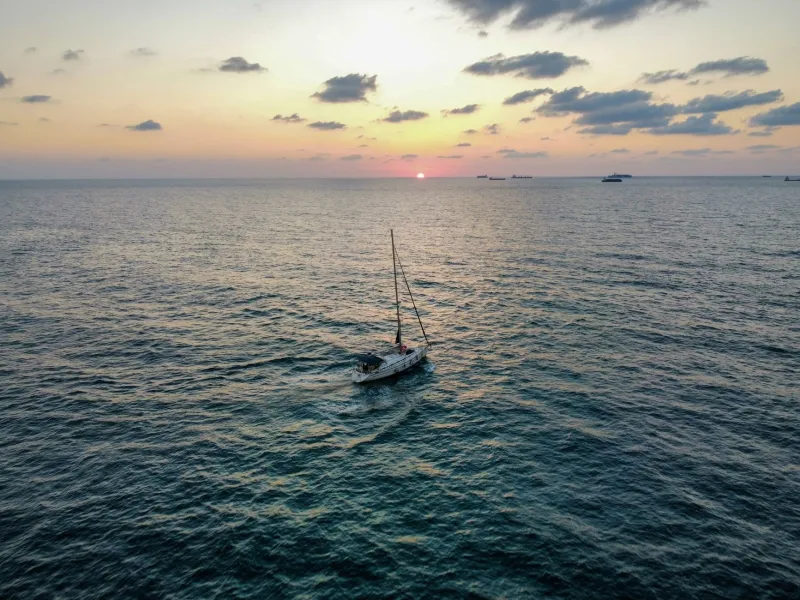
Somewhere around day ten of a well-designed extended charter, something shifts. The novelty of the vessel has settled into genuine familiarity. The crew has learned your preferences without needing to be reminded. The sea—its light, its sound, its particular quality of silence after the engines quiet—has begun to feel less like a backdrop and more like a dwelling. This is the reward that a week-long charter can only gesture toward: the deep pleasure of a life genuinely lived on the water.
The demand for extended yacht charters—voyages spanning two to six weeks or longer—has grown measurably among American travelers in recent years. Remote professionals, entrepreneurs on sabbatical, and families seeking an alternative to the conventional vacation calendar are discovering that the ocean offers something no resort can replicate: genuine continuity of experience, unmarred by check-out times or connecting flights. But sustaining that experience across multiple weeks requires a fundamentally different approach to planning than a standard charter. What follows is a practical and philosophical guide to getting it right.
Rethinking the Itinerary: Pace as a Design Principle
The most common mistake made by first-time extended charterers is importing the energy of a short voyage into a long one. The impulse to maximize coverage—to tick off as many anchorages, ports, and islands as the calendar allows—is understandable but ultimately self-defeating. A relentless itinerary that might feel exhilarating over seven days becomes exhausting over twenty-one.
Effective extended itinerary design operates on the principle of contrast. Active sailing days should alternate with stationary ones. Vibrant port towns—think the energy of St. Barts during high season, or the cultural density of Cartagena—should be balanced by stretches of empty anchorage where the only agenda is the horizon. A rough rule of thumb: plan to spend no more than 60 percent of voyage days in transit or active exploration, reserving the remainder for restoration and spontaneity.
Building deliberate buffer days into the schedule serves a dual purpose. They absorb the inevitable—a weather system that makes a planned passage inadvisable, a destination so compelling that departure feels premature—and they preserve the quality that distinguishes a great extended charter from an exhausting one: the freedom to simply be somewhere.
Cabin Selection for the Long Term
Choosing the right berth for a week is largely a matter of preference. Choosing it for three or four weeks is a matter of ergonomics, psychology, and practical livability. Considerations that barely register on a short charter—natural light, storage volume, proximity to shared bathrooms, engine noise at anchor—accumulate significance over time.
For extended charters, the master stateroom is not merely a luxury; it is often a functional necessity for the primary guests. Larger floor space reduces the sense of confinement that can develop in smaller cabins after extended periods. Direct access to an en suite bathroom becomes genuinely important when privacy is the only antidote to weeks of close-quarter living. Forward cabins, while often spacious, can experience pronounced motion in open-water passages—a tolerable novelty on day three, a meaningful quality-of-life issue by day eighteen.
Guests traveling with family or a larger party should discuss cabin assignments candidly with their ACICO Yachts charter specialist before finalizing a vessel selection. Not all yachts are equally suited to extended multi-party occupancy, and the difference between a harmonious voyage and a tense one can hinge on spatial configurations that are invisible in photographs.
Living with the Crew: The Dynamics of Extended Proximity
On a week-long charter, the relationship between guests and crew is warm but necessarily transactional. Extended voyages produce something more nuanced. Over weeks, a skilled crew learns not merely your preferences but your rhythms—when you want to be left undisturbed, when you welcome conversation, how you take your coffee before you've asked for it. This attentiveness, when the chemistry is right, is one of the genuine privileges of the long charter.
Managing that dynamic requires a degree of social intelligence from the guest side as well. Clear, respectful communication established early—about privacy expectations, meal timing preferences, and boundaries around shared spaces—prevents the small misunderstandings that can accumulate into friction. Most experienced captains will conduct a preference interview at the voyage's outset; treat this conversation seriously, as it sets the operational tone for everything that follows.
For voyages exceeding three weeks, it is worth discussing crew rotation with your broker in advance. Some vessels operate with relief crew for extended engagements, ensuring that the team remains rested and engaged throughout. A fatigued crew, however professionally they may mask it, delivers a measurably diminished experience.
Structuring the Voyage: Anchors, Chapters, and the Art of Arrival
The most satisfying extended charters tend to be organized around what might be called anchor destinations—two or three locations of particular significance that serve as the emotional centerpieces of the voyage. Everything else in the itinerary orbits these points: the days leading toward them build anticipation, and the days following allow for reflection and decompression.
For a four-week voyage originating from Miami, a plausible chapter structure might unfold as follows: a first chapter exploring the Bahamas' Out Islands at a leisurely pace; a mid-voyage anchor at the British Virgin Islands, with time enough to know the waters rather than merely visit them; and a final chapter threading south through the Grenadines before a ceremonial last night at anchor in a bay chosen for its beauty rather than its convenience.
This narrative architecture—the sense that the voyage is moving toward something, through something, and ultimately arriving somewhere meaningful—is what separates a memorable extended charter from a series of pleasant but disconnected days at sea.
Provisioning for the Long Haul
An extended charter is an opportunity to engage with provisioning in ways that a short voyage simply doesn't permit. Working with the chef in advance to design rotating menus that draw from the culinary traditions of each destination region transforms meals from sustenance into a form of cultural exploration. Scheduling a market visit ashore in a port town, participating in selecting the evening's ingredients, brings a dimension of engagement that no restaurant experience can replicate.
For guests with specific dietary requirements or strong culinary preferences, a detailed provisioning brief submitted before departure is invaluable. On a voyage of three weeks or more, the galley becomes a genuine center of life aboard, and a chef who understands your tastes deeply is among the most significant contributors to the overall quality of the experience.
The Case for the Long Horizon
There is a quality of attention that extended time at sea cultivates—a slowing of the internal clock, a willingness to notice the particular shade of blue that the water takes on in the late afternoon, a capacity for stillness that the pace of ordinary life rarely permits. This is not a side effect of the extended charter. It is, in many ways, the point.
Designing a multi-week voyage with the care and intentionality it deserves is a meaningful undertaking. ACICO Yachts exists to make that undertaking not only manageable but genuinely inspiring—from the first conversation about destinations to the moment the anchor finally lifts for home.